

vika Upgraded Oil Separator Kit for BMW N46 — Cure Rough Idle & Oil Burn
07-01,2026
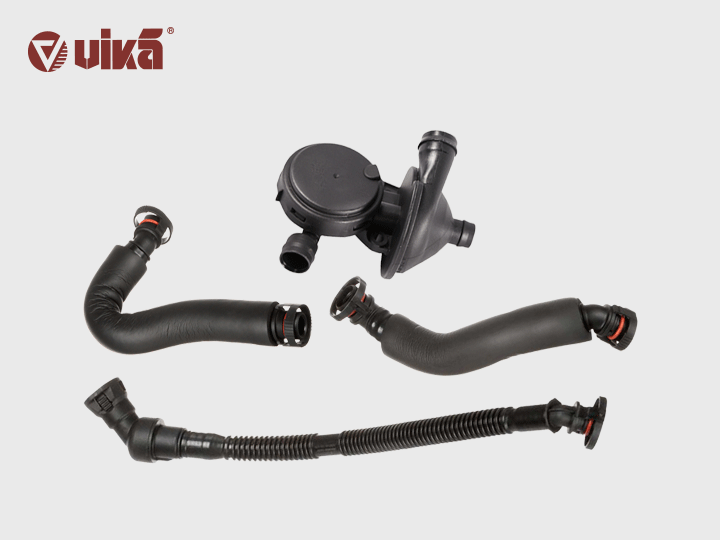
Classic BMW models equipped with the N46 2.0L naturally aspirated engine (such as the older BMW 3 Series, 5 Series, and X1) are still very common in repair shops today.
The crankcase ventilation system (comprising the oil separator and breather hoses) is prone to aging-related failures, which are a common weakness of this engine. Most cases of excessive oil consumption, abnormal cold-start noises, and rough idle conditions stem from this system.
In many repair facilities, only the oil separator or an individual breather hose is replaced during maintenance, which frequently causes the same problems to reoccur shortly after the repair. This leads to unnecessary rework, higher labor expenses, and complaints from vehicle owners. To eliminate these recurring repair pains, vika provides a comprehensive upgrade solution designed for a one-time fix.
BMW N46 crankcase ventilation system failure symptoms
In actual repair practice, when the N46 engine exhibits any of the following irregularities, it is usually a strong indication that the oil separator or the crankcase breather hose has failed
Typical symptoms of a failing oil separator
Abnormal noise: A continuous whistling or hissing suction sound can be heard from the engine compartment during cold start or in idle conditions, and the sound diminishes when the accelerator is pressed.
Oil leakage: Noticeable oil seepage is observed at the housing joints and ports of the oil separator, while the adjacent components are coated with heavy oil sludge.
Abnormal operation: The engine idles roughly with the tachometer pointer fluctuating up and down, and pronounced jerking is felt during low-speed operation.
Rapid oil consumption: A significant decrease in engine oil level is observed per 1,000 kilometers, accompanied by intermittent light blue exhaust smoke upon cold start.
Abnormal crankcase pressure: With the engine at idle, try opening the oil filler cap. If there is excessive suction or air is noticeably blowing out, the internal crankcase pressure control has become unbalanced.
Early signs of aging crankcase breather hoses
Aging failure: The hose body becomes hard and completely loses its elasticity, with the surface covered in dense cracks or already showing signs of splitting.
Oil sludge buildup: Oil seepage or dripping at the hose joints promotes dust adhesion, resulting in the formation of heavy sludge deposits.
Air leakage noise: When the hose is completely broken or loose, the pressure balance fails, resulting in a noticeable air leak noise.
Internal blockage: The inner wall of the small-diameter hose is especially susceptible to blockage from deteriorated sludge, thereby preventing smooth air circulation.
In-depth analysis: Why is the N46 crankcase ventilation system so prone to failure?
A failure of any individual hose or the oil separator will ultimately lead to engine oil leakage, carbon accumulation, elevated fuel consumption, and even collective sealing failures. The main root causes of this degradation include the following:
Core causes of oil separator failure:
Rubber diaphragm failure (highly common): Prolonged exposure to oil vapor corrosion and pressure variations causes the internal rubber diaphragm to age, crack, or perforate, ultimately impairing its ability to regulate crankcase vacuum.
Flow channel blockage: Poor-quality engine oil or extended maintenance intervals may cause the internal fine flow passages to become severely blocked with sludge and carbon deposits.
Plastic housing deformation: The original plastic housing, when exposed to prolonged high temperatures in the engine compartment, is highly prone to cracking or deformation.
Seal gasket failure: The accompanying sealing gasket hardens and loses its elasticity over time, resulting in a complete loss of sealing performance.
Core causes of crankcase breather hose failure:
Dual degradation: High temperatures from the engine compartment, combined with long-term exposure to oil vapor inside the hose, accelerate rubber aging and embrittlement.
Performance degradation: Over time, the physical properties of regular rubber undergo a significant and irreversible decline.
Detachment due to vibration: Once the rubber has hardened due to aging, the joints become particularly susceptible to detachment or structural damage when subjected to engine compartment vibrations.
Why is it advisable to replace the entire set?
The original design service life for the BMW N46 crankcase ventilation system components is typically 6 to 8 years. Once this period has been exceeded, it is common for multiple parts to exhibit concurrent aging.
Many repair shops choose to replace only the oil separator without changing the hoses, or only replace the hoses without changing the separator. As a result, old hoses are paired with new valves, or old valves with new hoses. Residual sludge and aged seals quickly cause secondary damage to the new components, leading to repeated repairs and frequent rework.
Professional recommendation: It is advised to replace the complete assembly, including the oil separator, all three ventilation hoses, and the accompanying sealing rings, in a single operation. This approach resolves all underlying concerns and effectively eliminates the risk of subsequent rework or repair.
vika Oil Separator Repair Kit – an upgraded solution that eliminates rework at the source
To address the collective aging issues of the N46 crankcase ventilation system, vika has introduced a comprehensive repair kit solution designed specifically for the N46 2.0L engine. It effectively eliminates oil seepage, air leaks, abnormal crankcase vacuum, and high oil consumption at the source.
Included components: Oil separator assembly + three crankcase breather hoses + accompanying sealing rings.
Oil separator:
Housing: Made of PA66-GF30 material, it offers high strength, excellent heat resistance, and aging resistance.
Diaphragm: The material has been upgraded from VMQ (silicone) to FVMQ (fluorosilicone), providing enhanced resistance to oil and tearing, extending the service life by more than 50%.
Crankcase breather hoses:
Made of PA12 material, the main body of the hoses provides outstanding resistance to oil vapor, superior flexibility, and enhanced fatigue durability.
Sealing rings:
They are made of FPM (fluororubber) material, offering excellent resistance to oil and aging.
For repair shops, choosing high-quality parts not only saves vehicle owners from the labor costs of repeated disassembly and reassembly, but also plays a critical role in establishing a trusted service reputation. The vika Oil Separator Repair Kit helps you restore the peak performance of the BMW N46 engine.
Recent News
- -Fix Audi Noise & Steering Pull: vika Control Arm Bushing Kit
- -VW 1.6 2.0 TDI Tandem Pump 04L145208D: Failures & vika Fix
- -vika Steering Tie Rod Repair Kit: Fix Chassis Noise & Drift
- -vika Thermostat Assembly: Designed to Solve Coolant Leakage and Check Engine Light Issues
- -Connecting the World and Empowering the Industry! vika DPA Debuts at Automechanika Frankfurt 2026
- -Why Should the Timing Belt and the Coolant Pump Be Replaced as a Set?


